Taxes and Giving: What to Consider Before Year-End
A practical look at what to consider before year-end, from taxes and retirement accounts to charitable giving and wealth transfer.
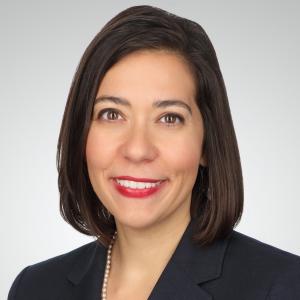
Julie Pardue:
Hi. I'm Julie Pardue, Director of Bessemer Giving Fund.
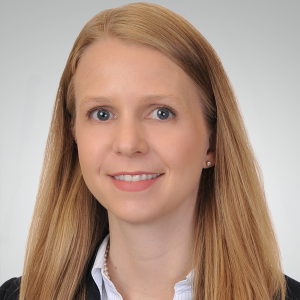
Nikki Knoeck:
And I'm Nikki Knoeck, the Regional Director of Tax Advisory Services.
Julie Pardue:
So, Nikki, we are approaching the end of the year.
I can't believe we're already here. We've spent the whole year doing a lot of things, but then we get to the end of the year and we're thinking, okay, what are the practical things that clients should be thinking about? Maybe talking to their advisors, maybe thinking about themselves personally, things that are just on their mind.
Nikki Knoeck:
So many of our clients think about year-end planning just as a to-do list, checking off items on what they have to accomplish. But it's really more than that. I like to think about our year-end planning as a framework that helps clients really understand what's involved in intentional planning when it comes to their personal finances.
Julie Pardue:
On my side, something that I spend my whole day doing is working on donor-advised funds. And so when we think about donor-advised funds, we're really thinking, you know, this idea of making a contribution into the account. You're getting your tax benefits at that point, right? And so a donor-advised fund is really a planning tool or a vehicle. I often think about it as an alternative to a private foundation.
What types of assets should we be thinking about when it comes to that charitable planning?
Nikki Knoeck:
If you hold any appreciated securities, they might be a more attractive asset than just using cash to fund those philanthropic intentions that you have.
When you give appreciated securities, that embedded capital gain is eliminated, and you get a deduction equal to the fair market value of that asset on the day you give it. So generally speaking, we really encourage our clients to think about using their long-term appreciated securities instead of cash.
Julie Pardue:
So let's talk about the bunching strategy.
It became relevant because last year there was a new charitable deduction floor that came into effect, and essentially donors were looking at creating a bunching strategy where they were making a lot of charitable contributions in one year, giving it to a donor-advised fund so that they could give it away in future years.
We have actually made double the amount of grants this year than we had made last year. We saw the great work that our donors are doing. They're giving that money away. It's really exciting to be a part of that and to see that.
Nikki Knoeck:
So last year, we knew for this coming tax year, we're going to have a new limitation on itemized deductions. So depending on your level, half a percent of your adjusted gross income is not deductible for charitable contributions. So last year, our clients decided, let's bypass this new limitation and pre-fund some of our charitable intentions. Great strategy, thinking ahead. We want to expand that thinking as well beyond just charitable planning.
Julie Pardue:
Tax efficiency can be really valuable as part of the plan, but it certainly shouldn't define it, right? I mean, when we're talking about charitable planning, it really is about the communities and causes that the donor is trying to support. And a lot of that, you know, this year in particular, has to do with rising costs.
We're all experiencing inflation in different ways, and certainly our communities are feeling that as well. And we're seeing our donors really come to the table. They're making incredible grants toward things like medical research, education, and disaster relief. So on that point, you know, what really has to get done this year before the end of the year?
Nikki Knoeck:
Take action. So this is when the to-do list really does take form. Assess what has to be completed by December 31. But most importantly, you need to give yourself enough time to think about what you want to accomplish and then coordinate all of the different advisors and pieces in order to accomplish your goal.
Julie Pardue:
So timing really does matter when we're thinking about contributions coming into the donor-advised fund. We do need those to actually credit the account before the end of the year.
And so it's really important to start thinking about this now. And also on the grantmaking side, when you're making your grants to other public charities, they love receiving those donations really early in the month of December so that they have time to process them and they know that they're in their account.
And then also, while you're doing it, think about the tax records, right? We need to get those tax records off to you guys so that you have them and you can start looking at the tax picture when the year really comes to a close.
More on Year-End Planning
This material is for your general information. It does not take into account the particular investment objectives, financial situation, or needs of individual clients. This material is based upon information obtained from various sources that Bessemer Trust believes to be reliable, but Bessemer makes no representation or warranty with respect to the accuracy or completeness of such information. The views expressed herein do not constitute legal or tax advice; are current only as of the date indicated; and are subject to change without notice. Forecasts may not be realized due to a variety of factors, including changes in economic growth, corporate profitability, geopolitical conditions, and inflation. Bessemer Trust or its clients may have investments in the securities discussed herein, and this material does not constitute an investment recommendation by Bessemer Trust or an offering of such securities, and our view of these holdings may change at any time based on stock price movements, new research conclusions, or changes in risk preference.